
From Shorts to Feature #3
Part 3: The Wall that Evaporated

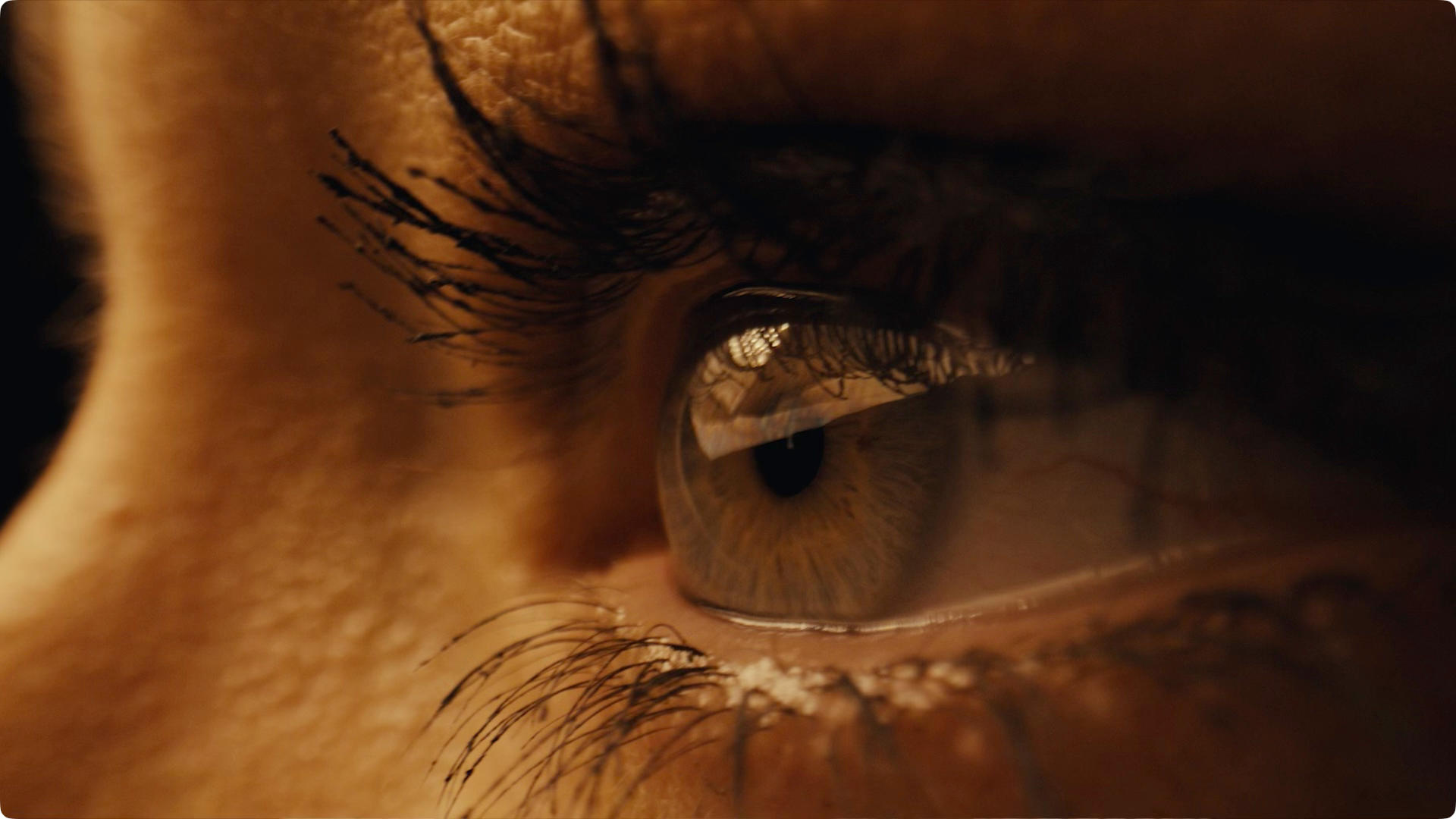
By the time I returned properly to Genesis, I had a much clearer idea of what I wanted it to be.
All the time I was working on Foreclosure, I was also working on prep for the Genesis script. For me, that meant researching comparables — films connected in terms of subject matter or style — and reading psychoanalytic books on co-dependency, trauma, imposter syndrome, and other areas.
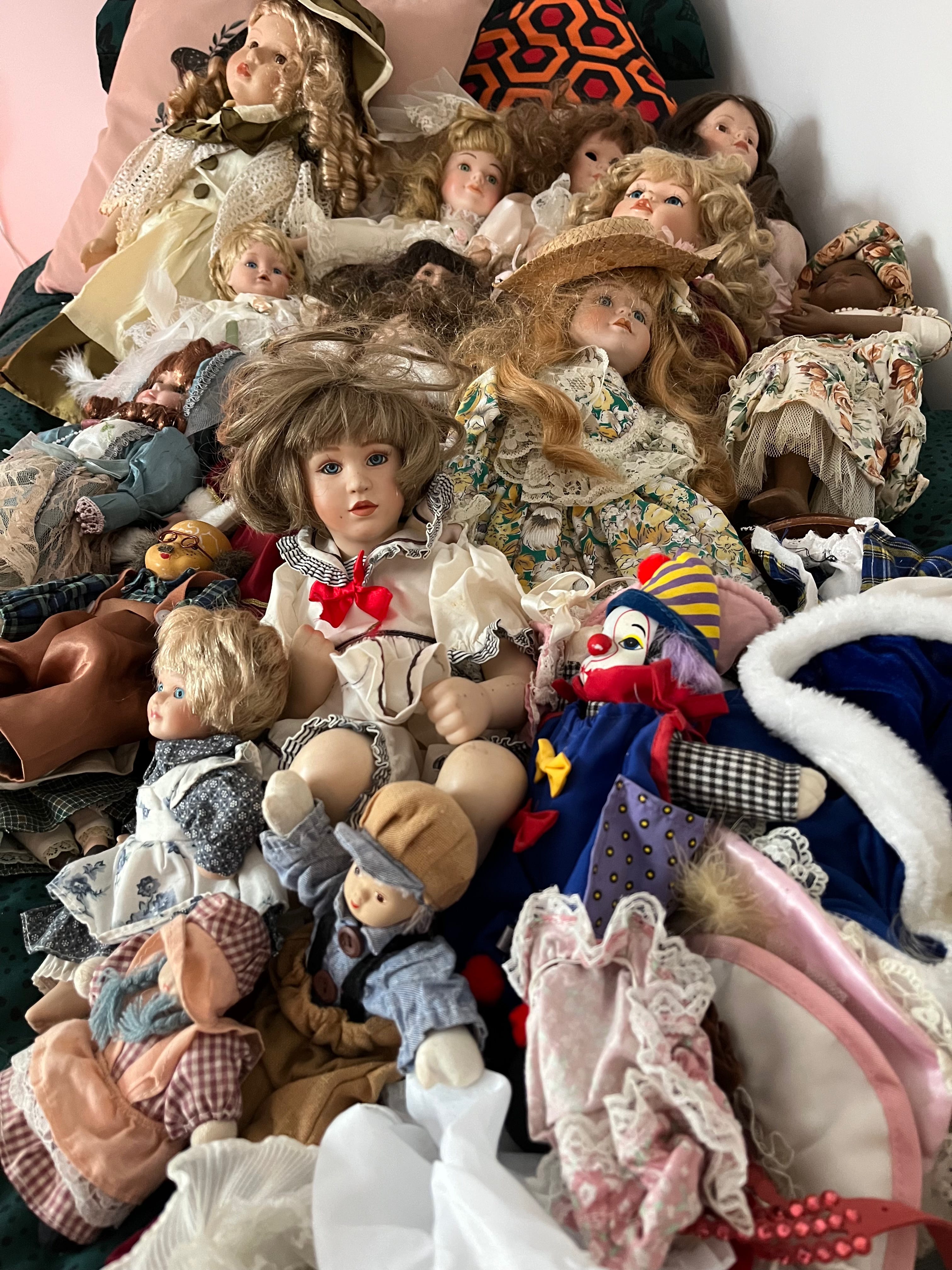
I don’t usually create full treatments before I write, but I like to do character sheets using a few methods I’ve developed that combine psychological theories and some of the stronger screenwriting theories. Dara Marks’ Inside Story is a fantastic book on character journey.
The idea for Genesis was simple.
New neighbours move next door and start a process of literally taking over the lives of the protagonists.
That was the hook. But underneath it were the themes that had been obsessing me for years: identity, control, intimacy, shame, the body, spiritual exile, and the fear of not fully belonging to yourself.
It also had something crucial for a first feature: scale.
A contained location.
Four main actors.
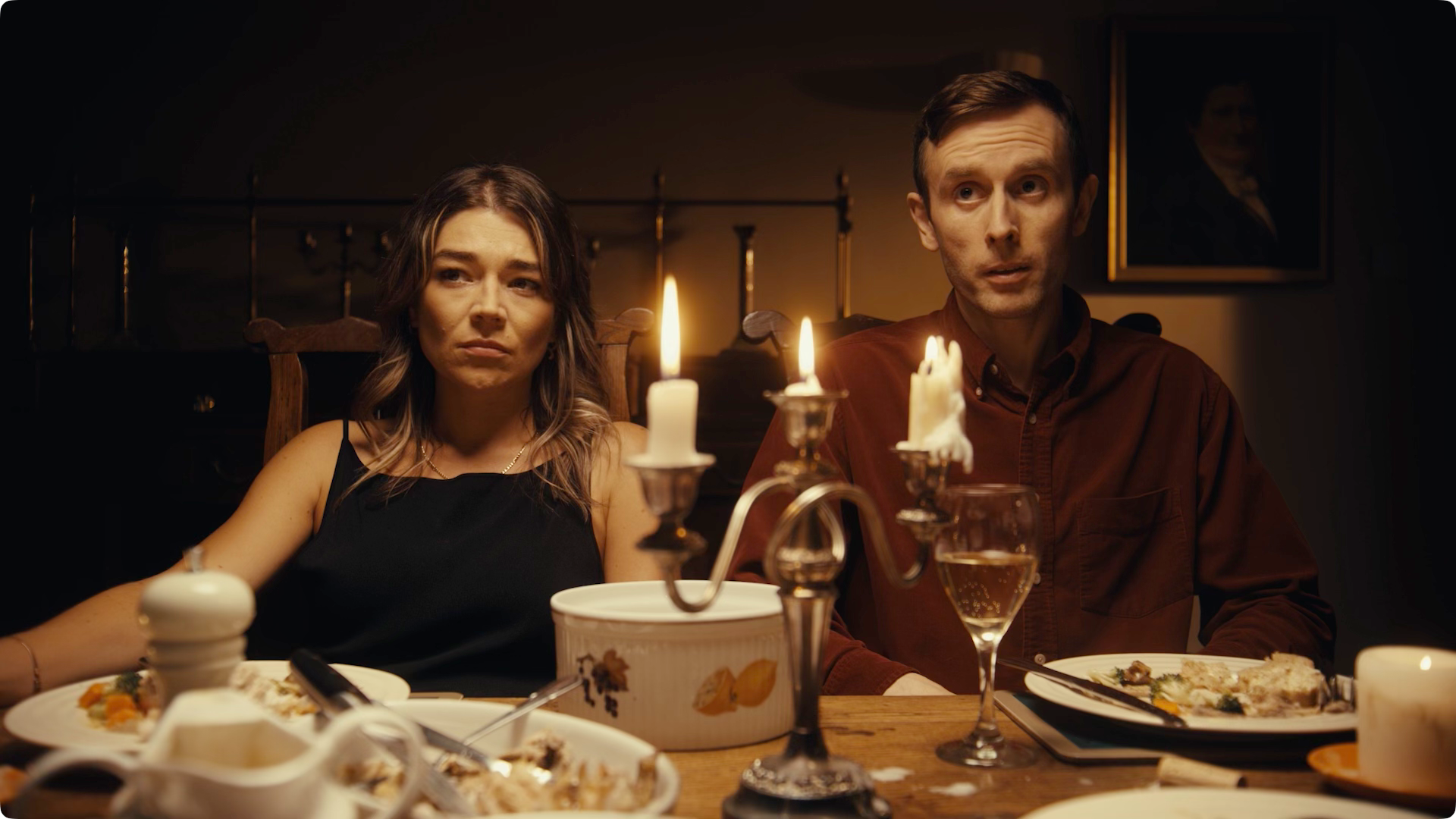
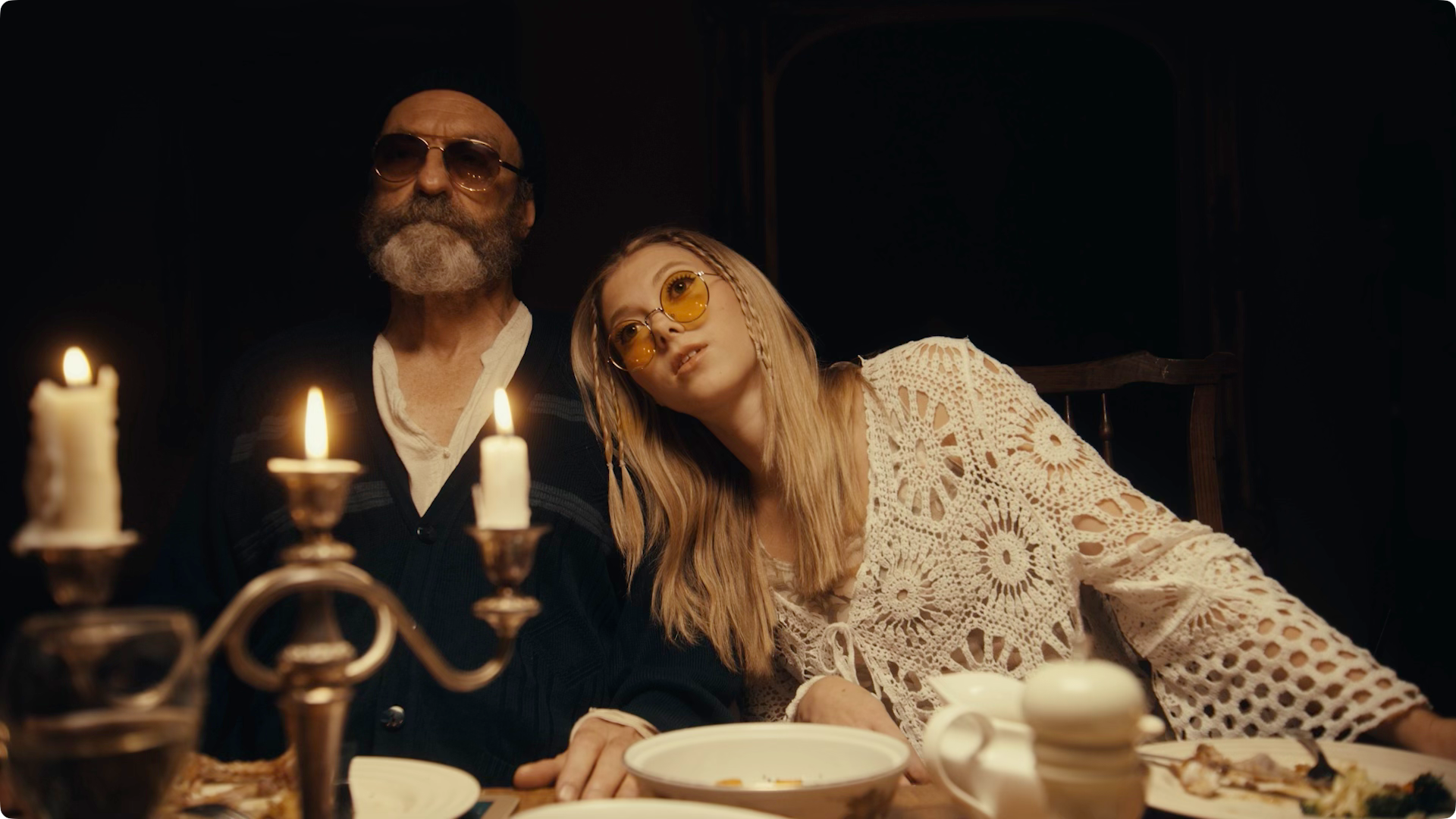
The restrictions turned out to be an advantage. It helped to keep things grounded as I developed different ways through performance and playing with speech that the antagonists could use to psychologically manipulate the protagonists and get under their skin. And by proxy, the skin of the spectator. I started exploring how aspects of ritual and hypnosis could be incorporated, always keeping the motives and actions of the antagonists one step away from being predictable.
That’s not to say it was easy. Microbudget does not mean easy. It means you have to be even clearer about what matters. The location has to work harder. Performance, as mentioned, becomes a special effect. Atmosphere and Tone become essential to keep a handle on. Every prop, silence, glance, and movement has to earn its place.
Low budget is not just a financial condition. It becomes the grammar of the film.
While finishing Foreclosure, I started on the screenplay. By then I knew the overall structure and had a ton of notes. Around this time, an old friend of mine, a distributor, mentioned he had friends in the States (including an 80s horror legend) interested in investing in low-budget horror films.
I said, “Well, I know a guy…”
And started properly on Genesis.
We quickly decided that he should put the money in himself and I should write, produce, and direct. That sounds neat in a sentence, but of course it was terrifying. There is a huge difference between saying “I’m going to make a feature one day” and actually having someone sit across from you and say, “Okay, then. Make one.”
But, it makes it happen when you’re answerable to someone elses’s money and not just your own.
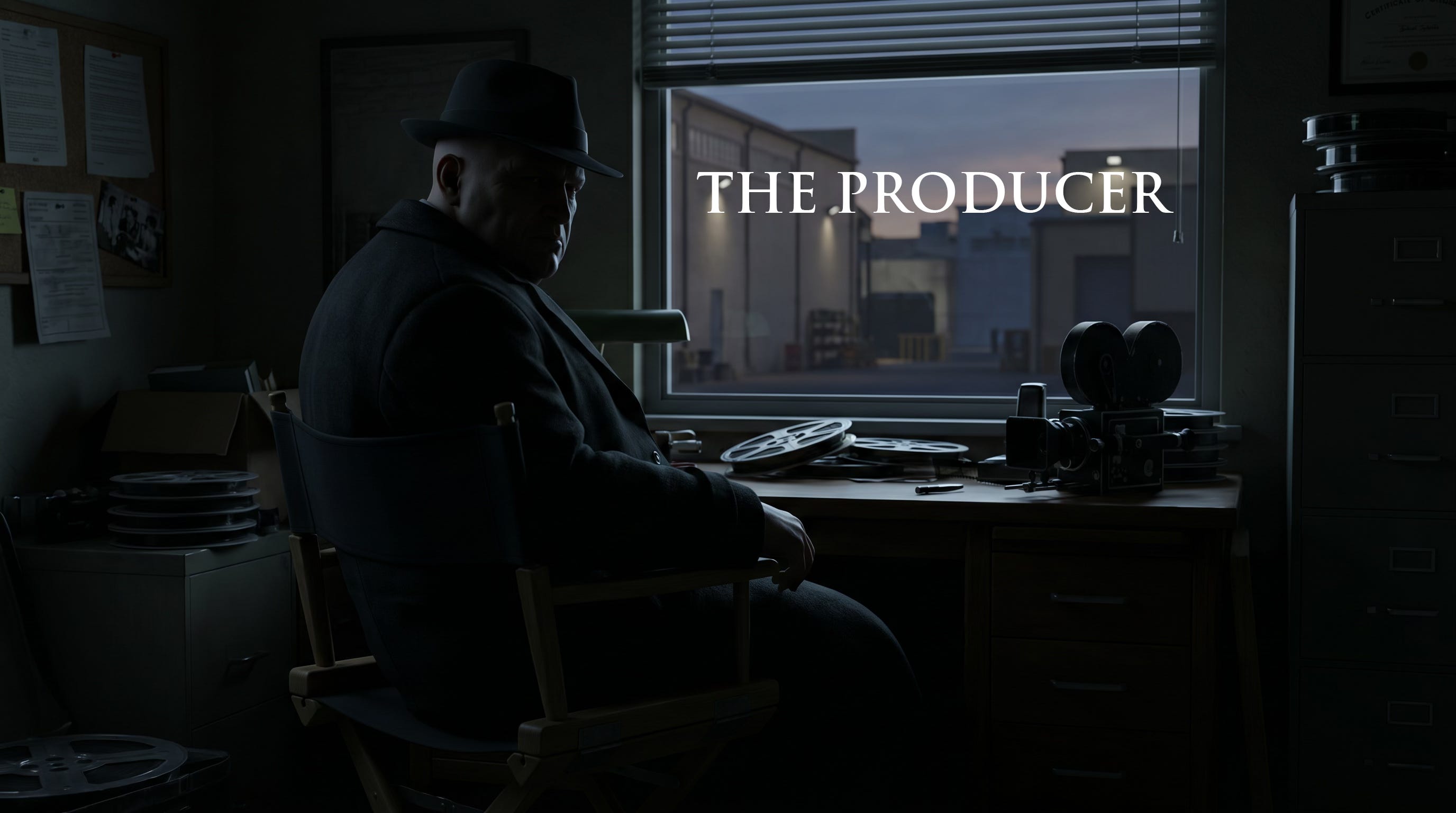
For years, the feature had become something huge in my psyche. I had wanted to make one since I was a teenager. I got sidetracked for a couple of decades — it took that long to realise I couldn’t achieve my goal and be a drunk at the same time — so I had to clean up my act.
We all have stories and challenges. That was mine, and it could have got a lot worse.
Once I got back on track, my desire to make up for time and make films was so strong it was almost a problem in itself. Over the years, I had built up the idea of a feature film as something enormous: a defining part of who I was, a wall I had to get over to prove something to myself.
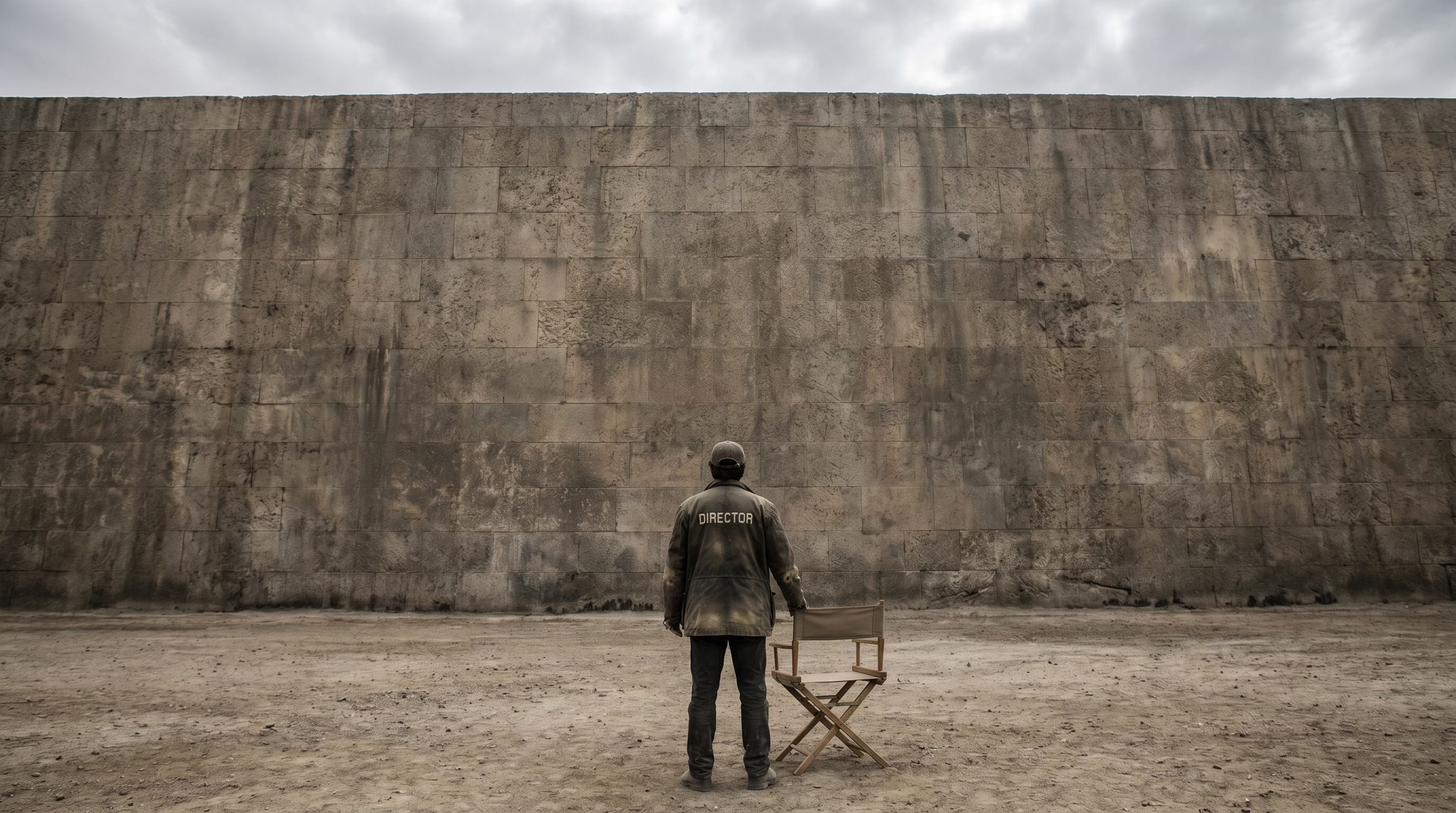
If you know Kafka’s parable “The Door of the Law”, it was that, but film.
A man wants to pass through a door, but the gatekeeper refuses to let him enter, promising that perhaps one day he will be allowed through. So the man waits there for his entire life. The gatekeeper continues to hold out the possibility of entry, but never actually lets him in.
Finally, as the man is dying, he asks why no one else has ever come to the door. The gatekeeper replies, “Because this door was made only for you. And now I am going to close it forever.”
Then the gatekeeper walks through the door, leaving the man to die.
Very much my cup of tea as a story - not so much as a lifestyle choice.
Making a feature had been door I had stood in front of for years. The more desperate I was to cross the threshold, the more impenetrable the door became.
The strange thing is that the solution was practical, not mystical.
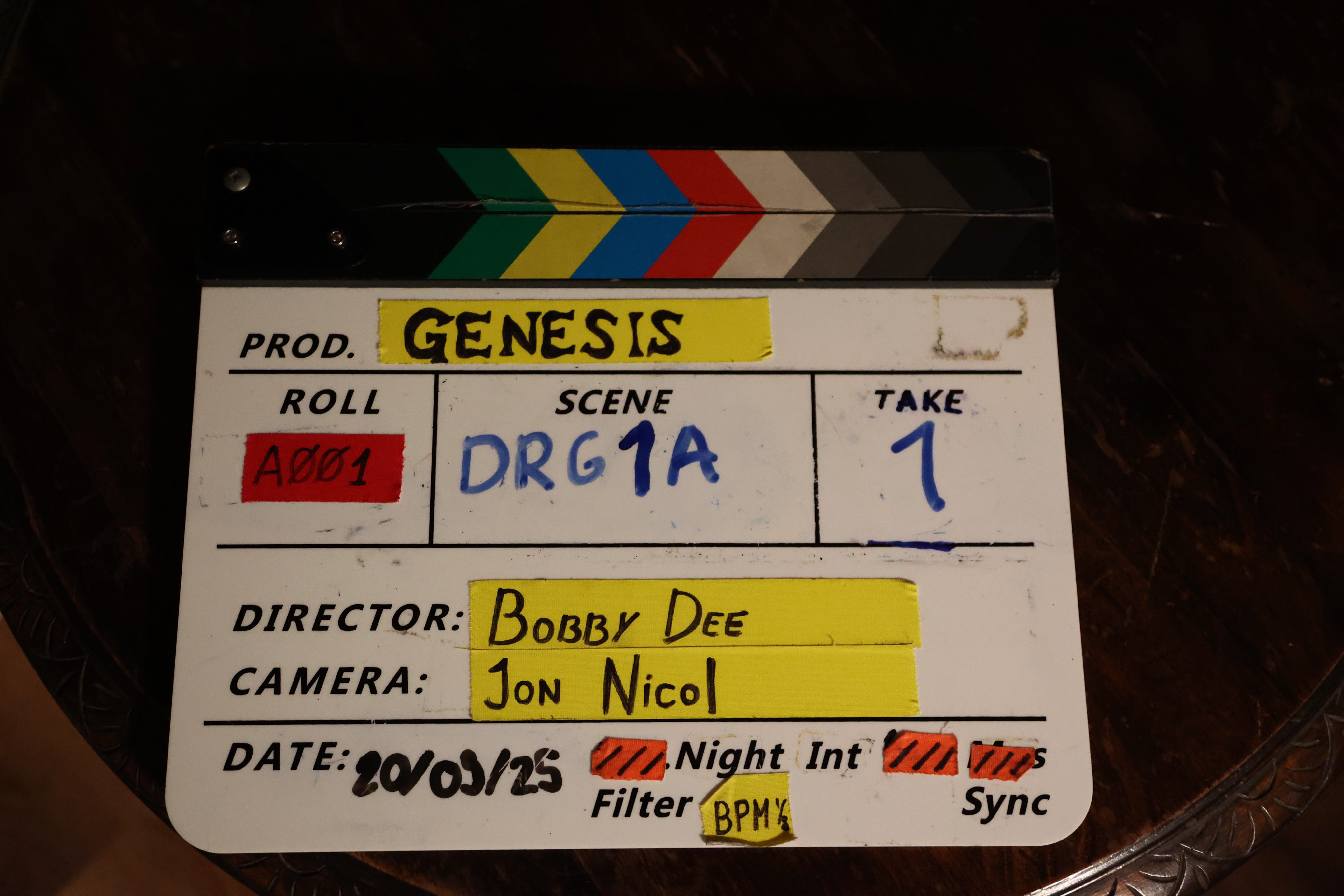
We set the main bulk of the shoot dates for March 2026, but I planned to shoot three days in September 2025. The idea was that those days would work as a proof of concept and help get the last bits of finance from friends to get us over the line.
And trust me, it was a massive help.
I would cut a short trailer from those three days and use that, along with a pitch deck, when approaching investors. Which is what happened.
I’ll go into more detail in a future post about that first shooting block, because it deserves its own piece. But the important thing I want to mention here is the psychological aspect, which I hadn’t planned for.
By breaking down the shooting blocks and shooting the first three days in September, the feature stopped being an abstract monument in my head. It was no different from three day shorts I had made in the past.
Gather people.
Solve problems.
Make images.
Direct actors.
Feed everyone.
Keep going.
The wall didn’t crumble.
It just evaporated.
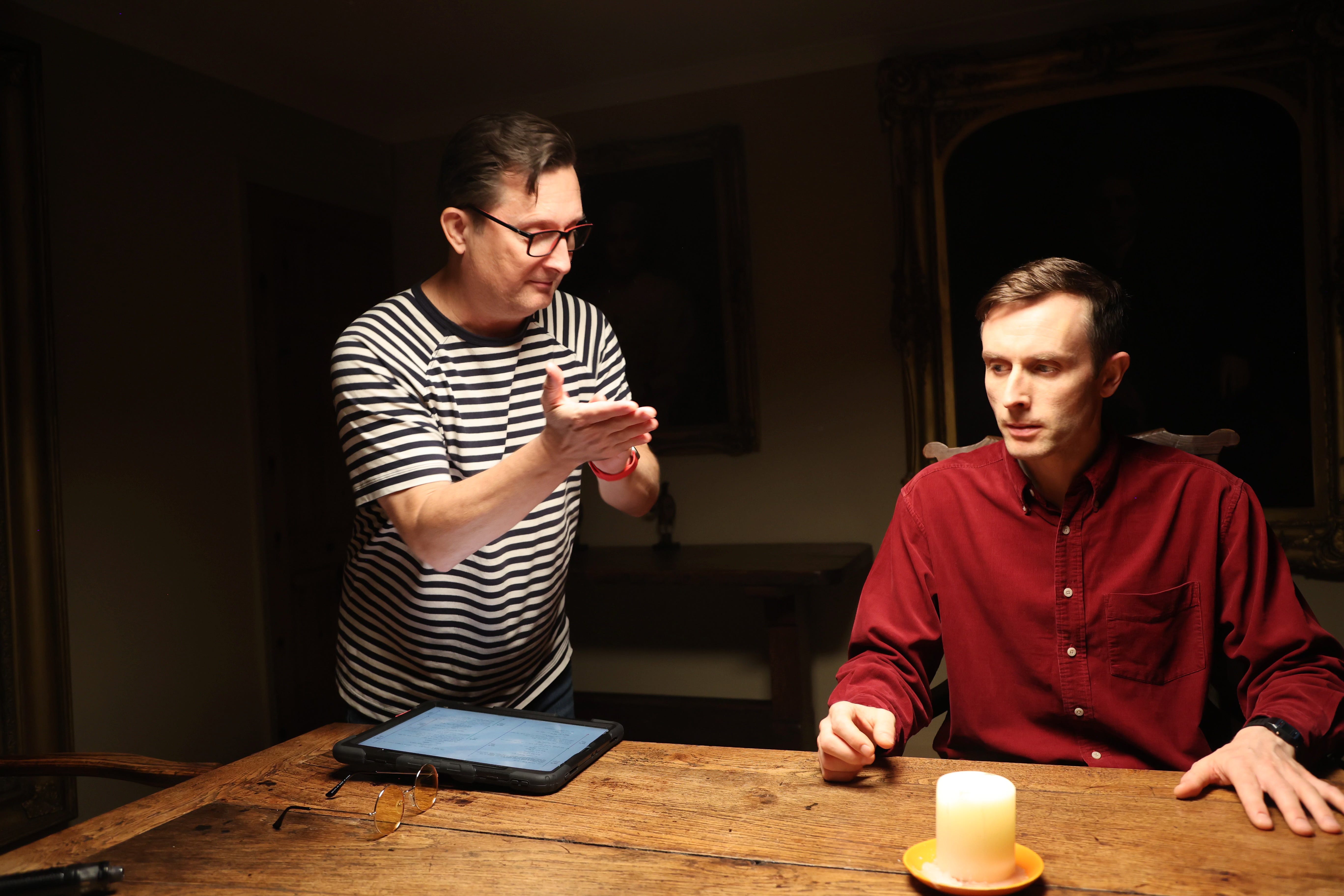
Often, the biggest battles are the internal ones. From the outside, a first feature looks like a practical challenge: raising money, finding locations, casting, scheduling, shooting, editing. And it is all those things. Relentlessly.
But underneath that is the private challenge: becoming the person who is actually allowed, in your own mind, to do the thing you have been talking about doing for years.
That may sound dramatic, but I think a lot of filmmakers will recognise it. The feature becomes mythic because we make it mythic. We load it with too much meaning. We tell ourselves it has to justify the years, the detours, the failures, the money spent, the relationships strained, the opportunities missed, the younger version of ourselves still waiting in the car after saying the impossible thing out loud.
Then one day you are standing on set and it is not mythic at all.
It is cold.
Someone is late.
A prop is missing.
An actor has a question. (Or doesn’t wish to regrow a beard, more on that later)
The light is going.
And strangely, that is the liberation.
Because you know how to do that. You have done it before. Every short, every mistake, every bad ending, every awkward rehearsal, every late-night rewrite, every moment of doubt has been training you for this exact problem.
Not the fantasy of making a feature.
The work of making one.
This journey has been huge, and the film is now 90% finished. I’m so proud of what we’ve achieved and I can’t wait to show people.
We’re shooting the last couple of days this month and next, then continuing with the edit. The aim is to have the film finished by the autumn so we can start submitting to festivals.
If anything in this journey resonates with you — the long route, the stubborn dream, the terror of finally doing the thing — you can support the Genesis crowdfunder through the link below. There’s a trailer at the end of the short pitch video, so you can see what the film will look like.
Link to the Crowdfunder. With perks!
I can’t wait to show you the real thing.
Keep making films.
Bobby x