
From Shorts to Feature #2
Part 2: Thirty shorts and a thousand small lessons

To help get short films made, I set up a group in Brighton called Octopus Films.
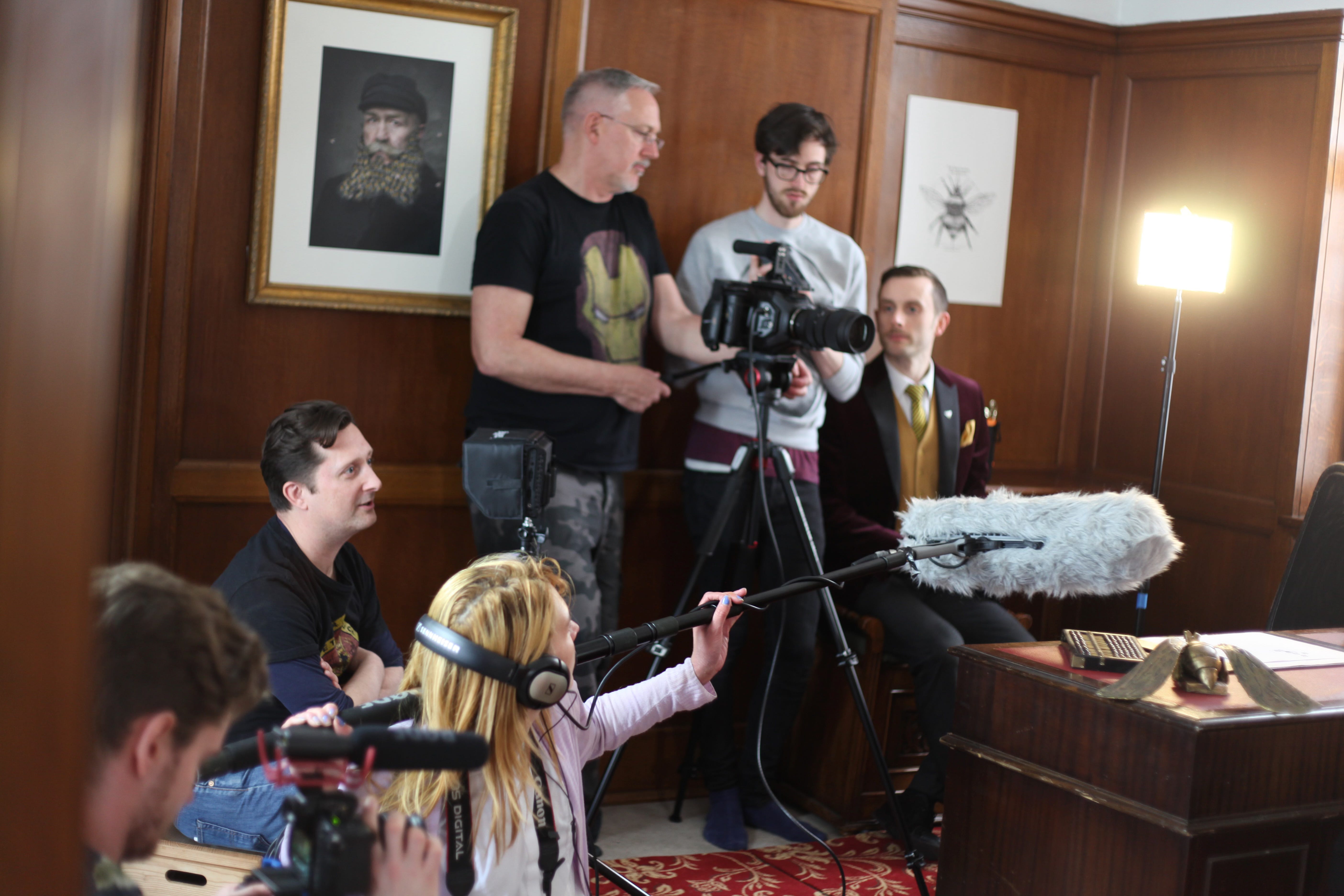
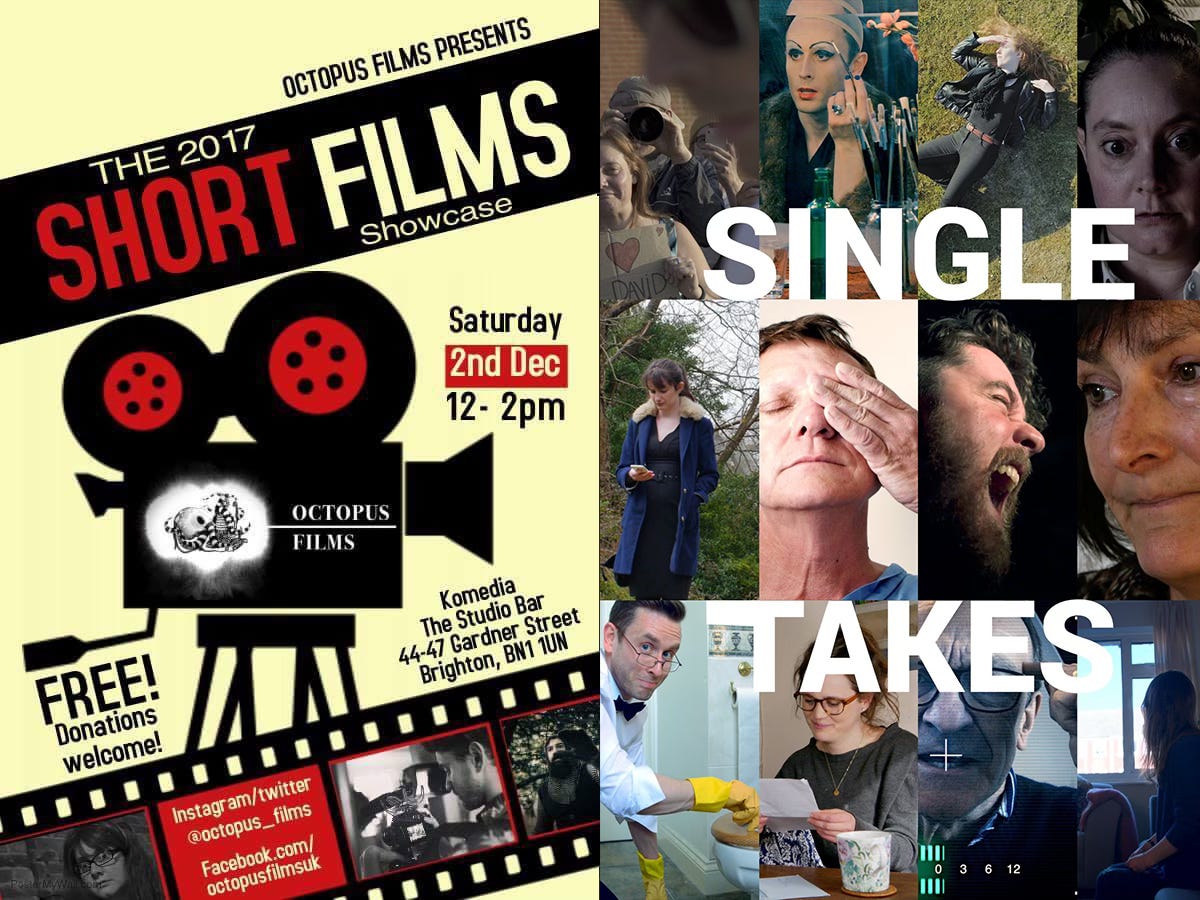
Over two or three years, we made about thirty shorts of different sizes and levels of complexity. I loved it. It helped enormously in ways I’m still recognising.
For instance, if you’re a director, you need to get used to leading people.
You need to deal with strong egos, real-world practicalities, scheduling availability, people with hidden ambitions and varying levels of usefulness, feeding people, making last-minute changes when someone drops out, actor insecurities — because insecurity is baked into what they do; it’s vulnerable — and learning how to express what you want with clarity and precision.
Human stuff.
Soft skills.
None of these came naturally to me. I’m the guy who stands in the corner at parties and watches the humans.
We made some lovely films at Octopus and I value those years deeply, making some lifelong friends.
But I still wasn’t satisfied. None of my own films felt anywhere close to the kinds of films I wanted to be making, and I didn’t know why.
I hadn’t made a short that felt like a genuine expression of who I was. My ideas were deep and chewy, but my films were paper thin. I had no clue how to get what I wanted onto the screen.
So I did a Masters in Filmmaking.
I chose the Raindance programme because it was self-directed, and because the NFTS was beyond my reach financially. This enabled me to focus specifically on what I was interested in: getting the underlying ideas that obsessed me onto the screen.
Having worked for over a decade in the media by that point, I thought I knew a lot.
I didn’t.
I was at the peak of Mount Stupid on the Dunning-Kruger graph.
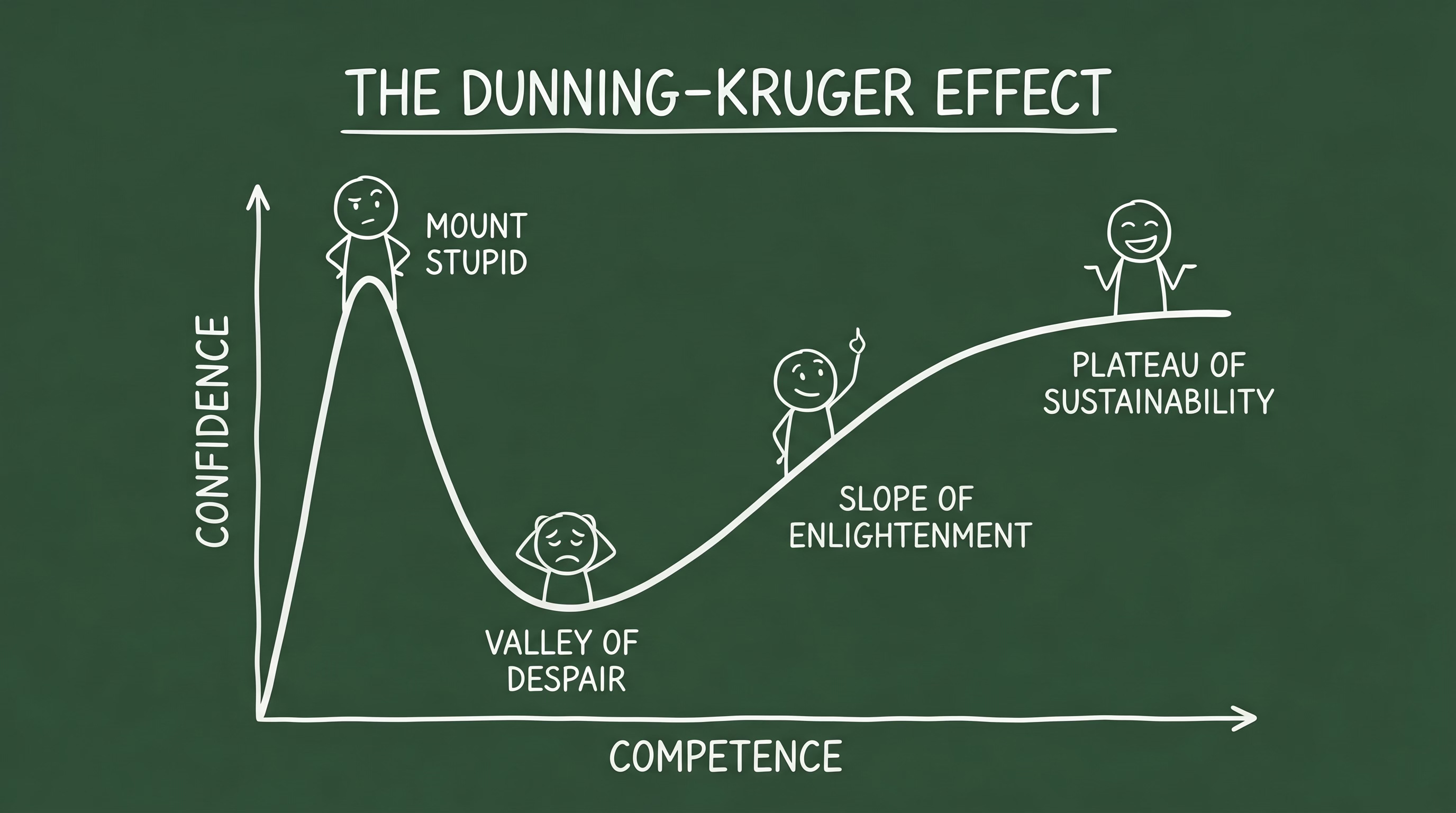
After the initial sting of realising how much I didn’t know, this brought me huge joy. I love film and I love filmmaking. I will never learn it all, and there are layers and layers to that learning. Martin Scorsese considers himself a student of film. Still.
Beginner’s mind, as the Zen masters say.
I devoured books and online resources and discovered a sliver of information on visual subtext: a way to connect theme and underlying ideas with what is actually being seen on screen.
This was what I had been looking for.
Adapting this, and adding to it from other areas — image systems, graphic design, perception psychology — I cobbled together a practice that enabled me to practically express my chewy interests: psychoanalysis, philosophy, weird shit. Not just as dialogue or explanation, but in ways that could be felt on screen.
I made a short as part of my Masters called The Devil’s Harvest, and it was the first time, after countless shorts, that I had made a film that felt truly me.
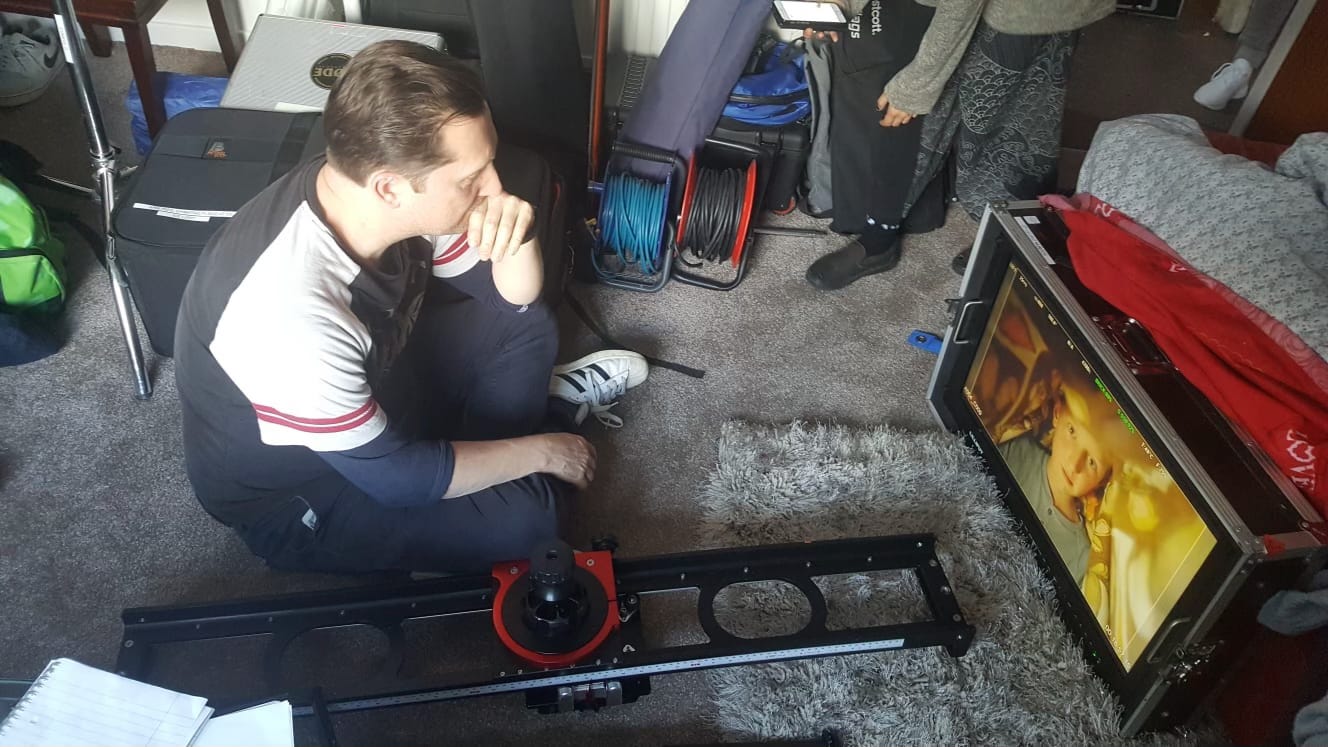
Not perfect. No film ever is. But it was my voice.
For the rest of my Masters, I focused on a low-budget feature script (Unearthly Delights, stay tuned…), a thematic extension of the short that I thought I could make. After completing it, I realised it was still outside my budget range for a first feature. I had to be not just low-budget, but microbudget.
I also felt I needed to create another short or two. While I had found a workflow as a director, I still needed to improve my skills and develop my voice. Arguably, the money spent on the subsequent shorts could have gone towards the feature, and I understand that argument. But the feature would cost considerably more, and I didn’t want to be frustrated again by the final film.
There were a few ideas floating around.
I keep a regular handwritten journal, and I also use the Notes app on my phone to write ideas down as soon as I have them. Some of those ideas get sticky. Additional thoughts come to me, which I add to the notes. Some of them join together and eventually start to take shape into something I can tell is going to be a project.
Often, these initial ideas come to me in dreams or first thing in the morning.
That’s what happened with Genesis.
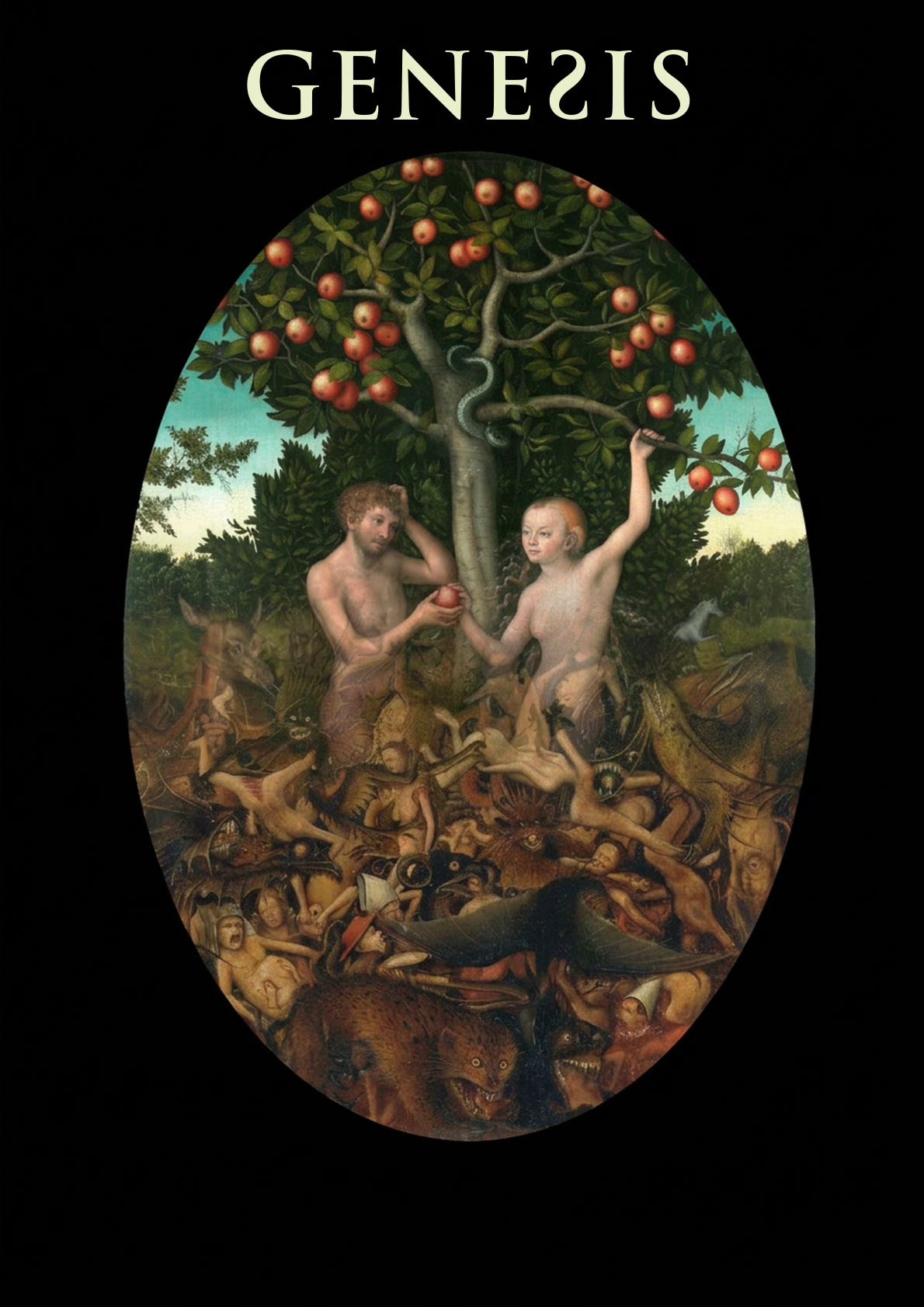
It was a simple idea, but small-scale, and I knew it was rich enough for me to explore some of the themes around identity that interest me.
New neighbours move next door and start a process of literally taking over the lives of the protagonists.
Simple location.
Cast of four people.
Plenty of room to explore ideas.
That was the attraction. It felt contained enough to be possible, but psychologically large enough to matter.
Before I got there, real life intervened. My partner and I had to suddenly move from our rental place. Moving to Hastings, I noticed a battered trampoline in the garden of the house opposite, and the idea of combining a ghost story with a psychotic breakdown from deep within the subjective experience of the protagonist led me into thinking about another short, Foreclosure.
While writing this, I was approached to help a friend whose daughter wanted to be an actor. Still working on Genesis, I thought I could use the opportunity — and the money — to explore the ideas in the feature in a slightly different way. I parked Foreclosure and worked on The Fire Sermon over the next year.
We bought a house in the process, so, you know, I was busy.
The Fire Sermon was very satisfying to me because I could see a development of my style from The Devil’s Harvest, and I could see my voice coming through. Technically, I was frustrated by some of the VFX, which I could now fix much better and cheaper with AI — controversial, I know.
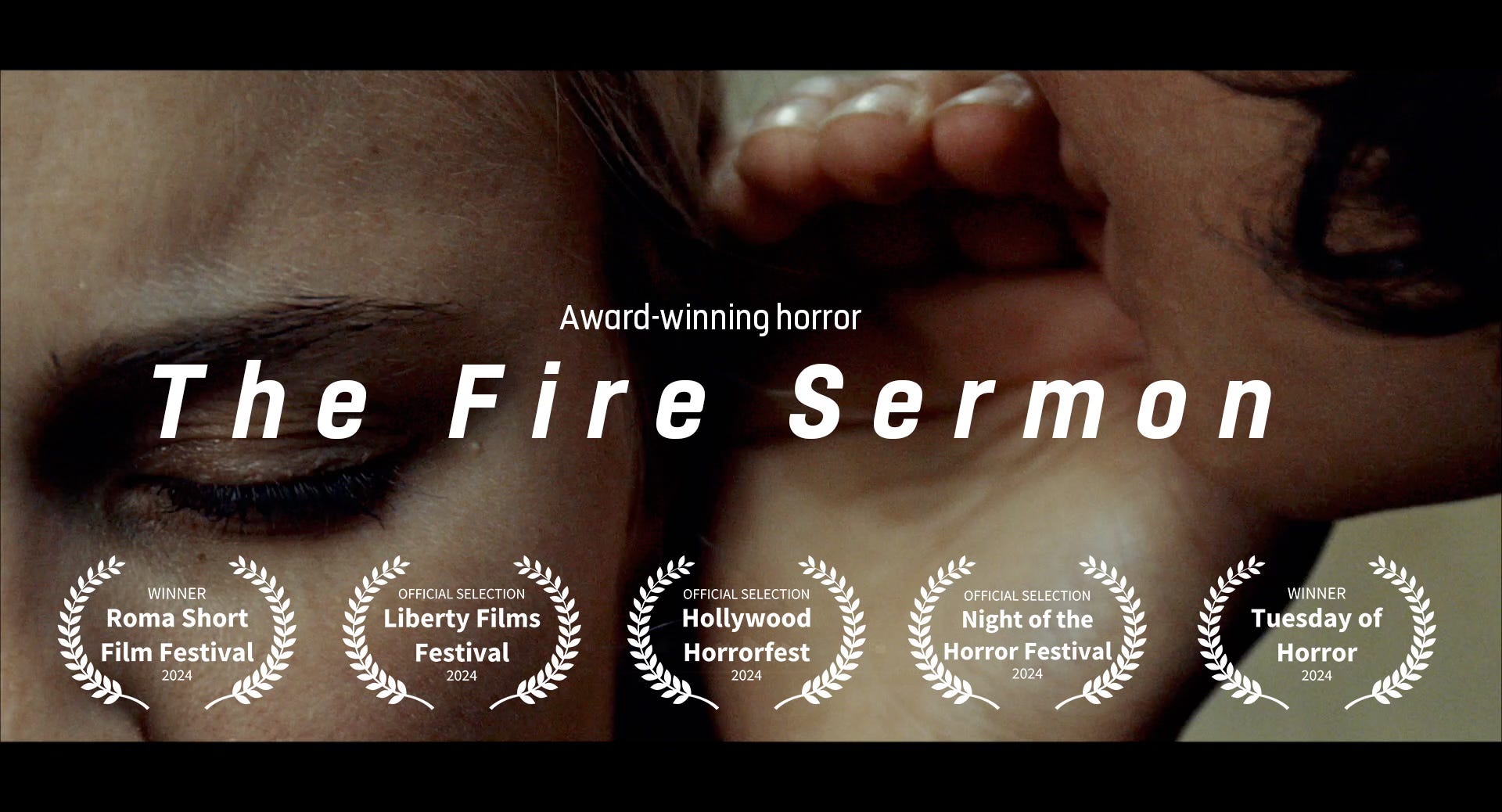
While submitting The Fire Sermon to festivals, I went back to Foreclosure. There was one reason for this. The previous two “proper” shorts had involved child actors. I wanted to find a grounded but still slightly stylised performance direction that would fit the tone and style of what I was doing, and I wanted to do this with adult actors.
After that, I would be ready.
Or at least, as ready as you ever are.
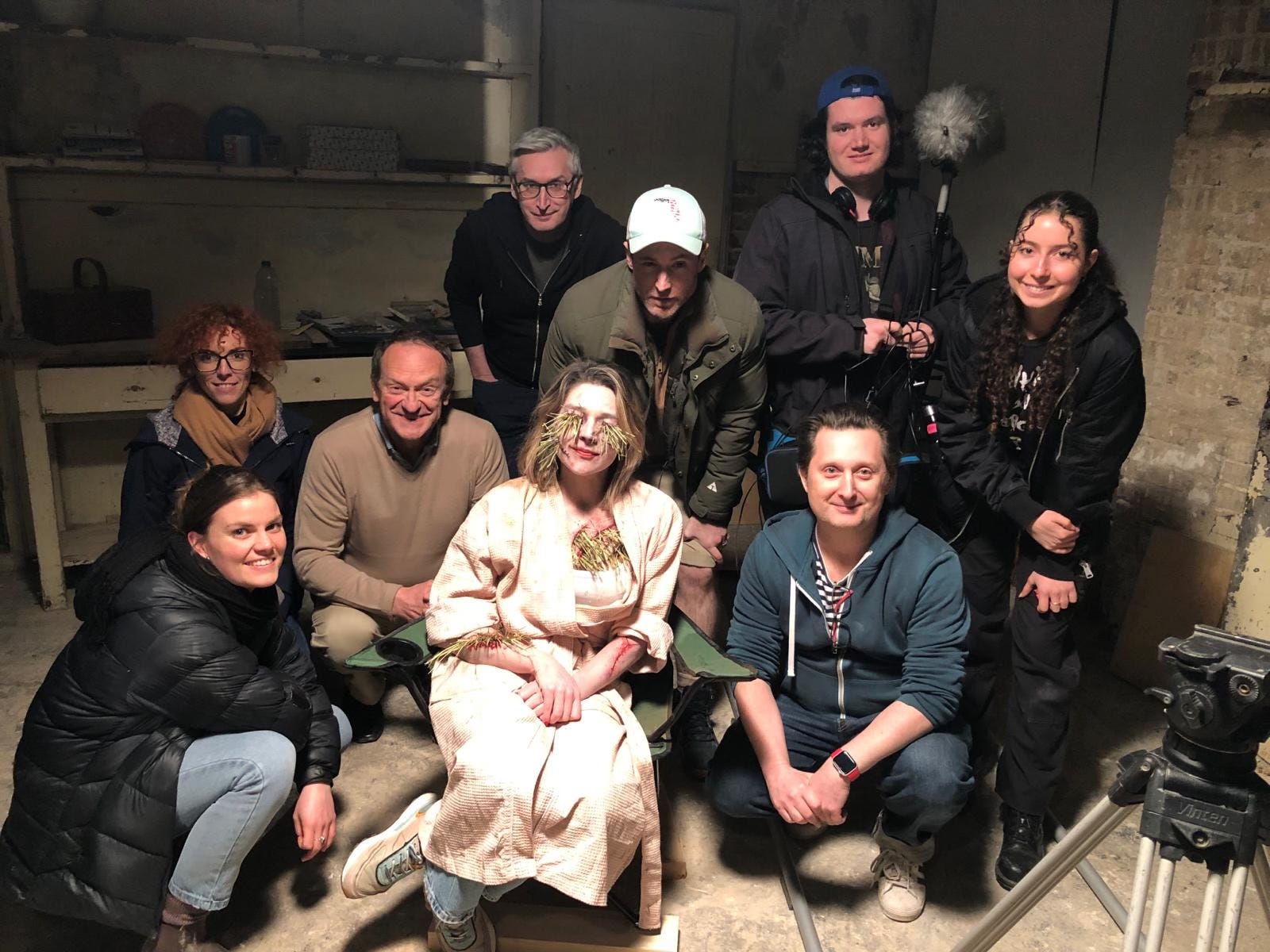
The first shoot for Foreclosure was tough. The original ending didn’t work. At all. The first time I viewed the rushes, I knew I needed to rethink. I looked at what I had, reconnected with what I was trying to say, and came up with a much stronger ending, which we shot at another location several months later.
We also shot some scenes at this location to drop in earlier and make the film more cohesive. As the director, only I knew what the overall objective was. That is one of the lonelier parts of directing. Everyone else sees the day, the scene, the problem in front of them. You have to keep the whole film alive in your head.
During this period, something encouraging happened. The Devil’s Harvest, which had been sitting on a few hundred likes on YouTube, got picked up by the algorithm and suddenly started getting thousands of views.
This told me people were responding to what I was doing, which I had worried might be too obtuse.
You’ll get a lot of encouragement to dumb things down and make them more mainstream. It’s almost baked into Hollywood screenwriting books. But I think what people really want are original stories told in original ways. The filmmakers I admire are following their passions, not mine. I just align with the ones I overlap with.
They also don’t shout their opinions at you.
Streaming TV, take note.
No one likes to be lectured, even if we agree.
Eventually, Foreclosure was finished. By that time, Genesis was no longer just an idea in my notes. It was the feature waiting behind all the shorts, all the practice, all the frustration, all the false starts. So I finally got to my feature. And this is what it’s looking like:
The shorts had not been a delay.
They had been the apprenticeship.
In the next post, I’ll write about how Genesis finally became real, why I had to think in microbudget terms, and how breaking the shoot into blocks helped me get past the psychological wall of making a first feature.
The Genesis crowdfunder is live now and we only have a couple of shoot days left to get everything finished. Link below if you’d like to take a look. And, if you can, spare the price of a cup of coffee and a sausage roll and help us out:
GENESIS CROWDFUNDER WITH PERKS!
Keep making films.
Bobby x